 UgandaGorillaTrekking.tours
Home › Guides › Best Time for Gorilla Trekking in Uganda: Month by Month
Best Time for Gorilla Trekking in Uganda: Month by Month
The best time for gorilla trekking in Uganda is the June to September window and the December to February window, when trails are drier and forest walks are far more comfortable. Treks still run every month of the year, and the wet months of April and May can bring discounted permits and quieter forests.
Quick answer The short answer on when to go
June to September and December to February are the most comfortable months for gorilla trekking in Uganda, with June to September temperatures between a high of 27°C and a low of 17°C and about 84mm of rain. Trails are firmer and permits sell out faster in these windows.
Key takeaways
- Pick your park and entry route with uganda gorilla trekking tour options.
- Short on time? Compare 1-day treks from Kigali and 2-day Bwindi trips.
- Want chimps as well as gorillas? See the 5-day gorilla and chimpanzee trek.
- Travelling on a budget? Check the 3-day budget Bwindi trek.
Which month is best for gorilla trekking in Uganda?
June, July and August are the peak months, with the December to February window a close second.
Uganda has two main dry seasons, June to October and December to February, and these are the months most trekkers aim for. The wetter months still run treks every day. Here is the full year in one table so you can weigh conditions, crowds and permit pressure at a glance.
The year at a glance
Rain never disappears completely in a rainforest, so even in the dry months pack for showers. In the wet months, trails turn to mud and roads to the park entrances take longer, but treks go ahead as normal. April and May are the wettest months of the year.
| Months | Trekking conditions | Crowds | Permits and costs |
|---|---|---|---|
| January to February | Dry, superb trekking conditions in February | High | Permits sell ahead, book early |
| March to May | Long rainy season, wettest in April and May | Low | Permits in Uganda may be discounted in April and May, easier to book |
| June to September | Dry and comfortable, best months of the year | Highest | Book as early as possible, permits go first in June to August |
| October to November | Rains return, trails muddy | Low | Fewer travellers and lower permit costs from October to December |
| December | Drying out, comfortable again | High | Book early for the festive window |
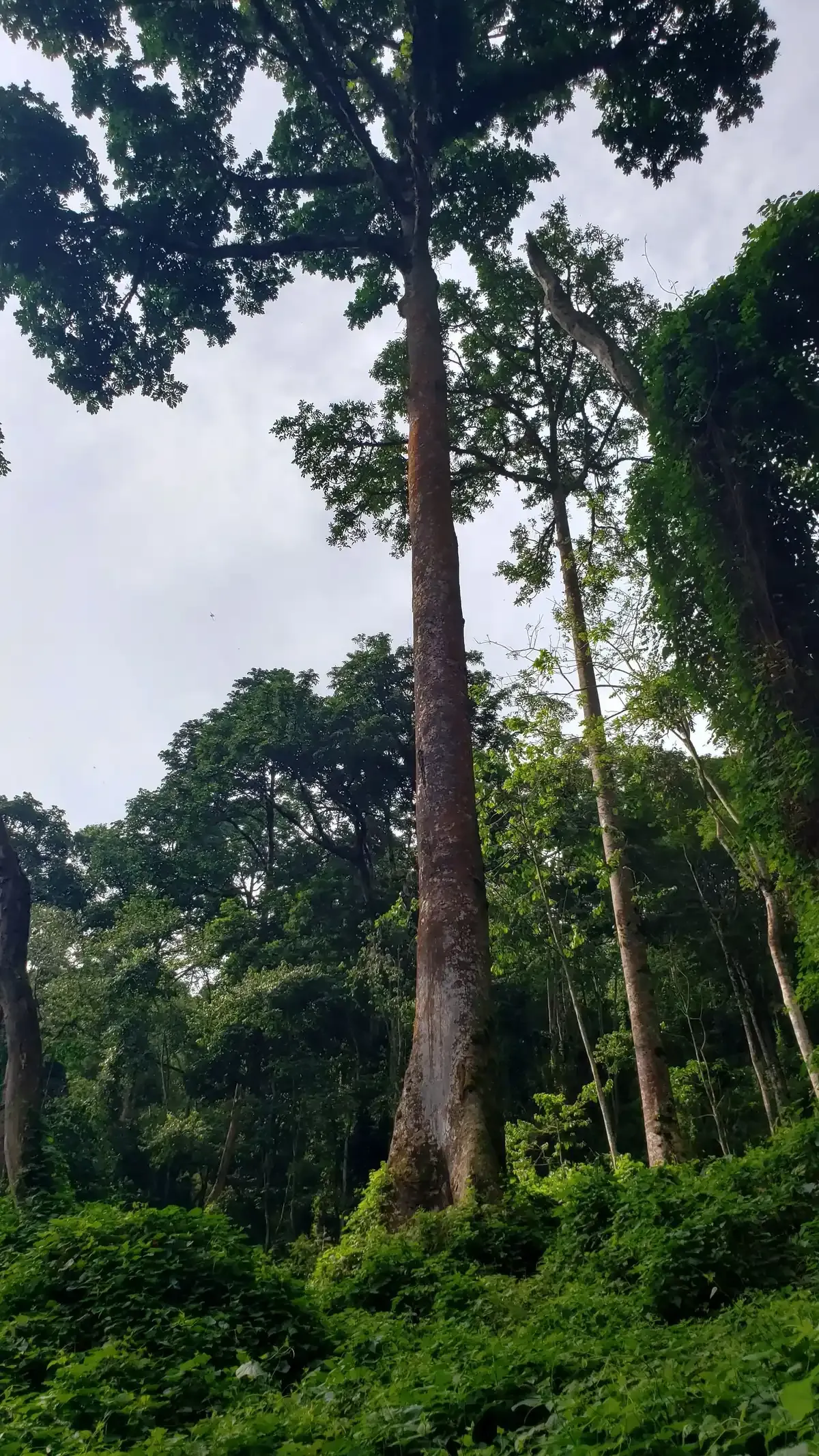
The tall trees of Bwindi. Photo: Ugpics, CC BY-SA 4.0, via Wikimedia Commons.
What is the best time of year to see gorillas in Uganda?
The dry seasons of June to September and December to February give you the firmest trails, the easiest photography light and the most reliable trekking day.
The dry windows are popular for good reason. Rain falls less often, underfoot conditions improve, and the steep slopes of Bwindi and Mgahinga feel far more manageable when they are not slick with mud.
June to September, the classic window
This is the prime season. Temperatures run from a high of 27°C to a low of 17°C with about 84mm of rainfall across the period, and June, July and August are widely described as the best time to go gorilla watching. The tradeoff is demand. Everyone wants these months, so permits and good lodges go first.
If you want the same dry conditions with fewer people around, look at late January and February. February offers superb dry gorilla trekking conditions and sits outside the busiest peak.
| Factor | June to September | December to February |
|---|---|---|
| Trail conditions | Driest of the year | Dry, February especially good |
| Temperatures | High of 27°C, low of 17°C | Similar mild range |
| Crowds | Peak season | High, slightly quieter |
| Booking pressure | Highest, book furthest ahead | High |
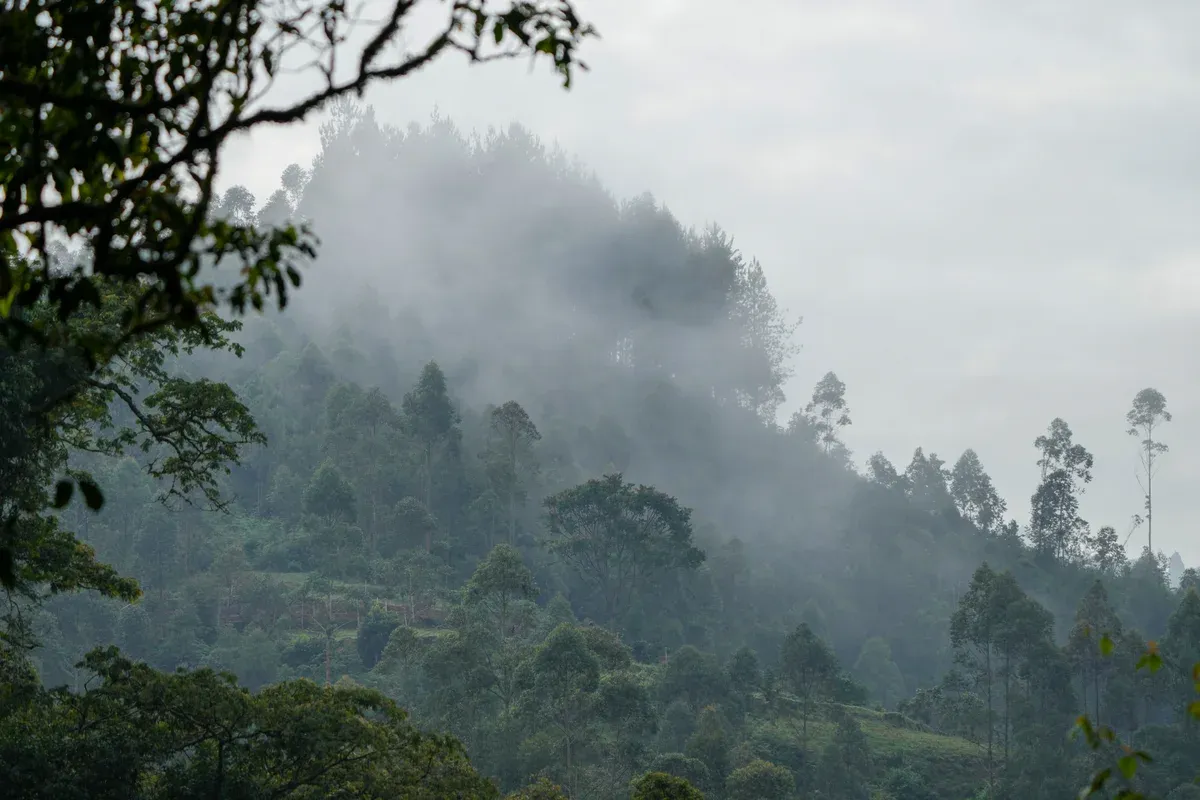
Morning mist over the ridges of Bwindi. Photo: Giles Laurent, CC BY-SA 4.0, via Wikimedia Commons.
Tours That Fit
Trips that run in every season, from a single long day to a full week.
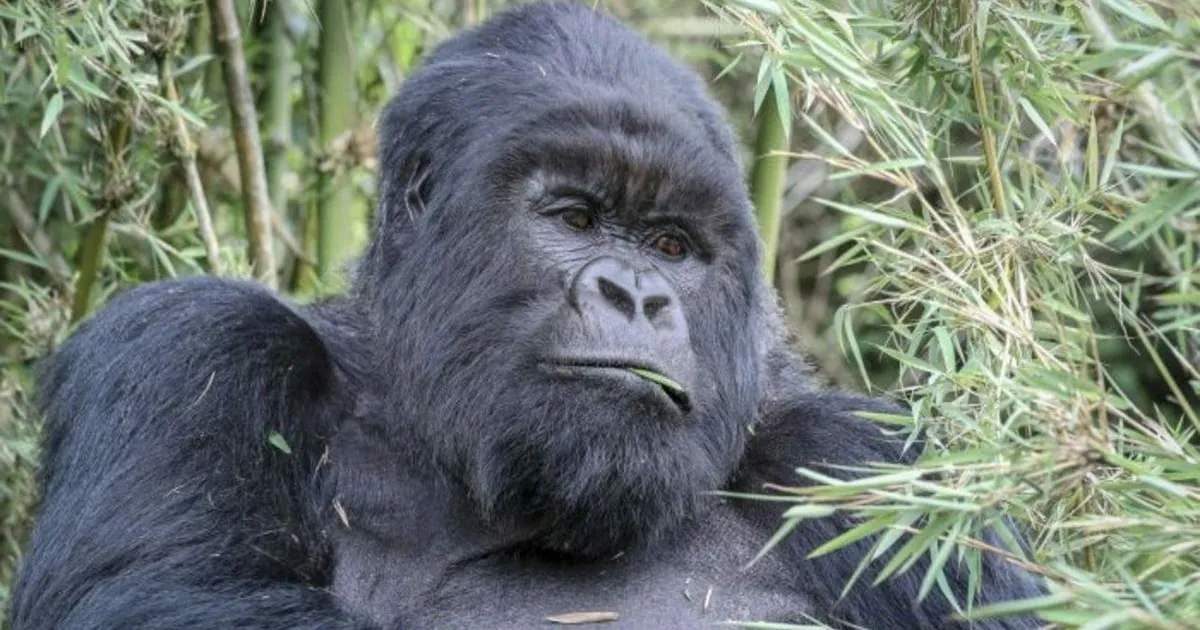
From Kigali: 1-Day Gorilla Trekking in Mgahinga, Uganda (Permit Extra)
A 3 am start from Kigali, across the border to Mgahinga, one hour with the gorillas and back the same night. Permit extra.
- Cancellation
- Free 24h cancellation
- Operator
- Kawira Safaris Ltd
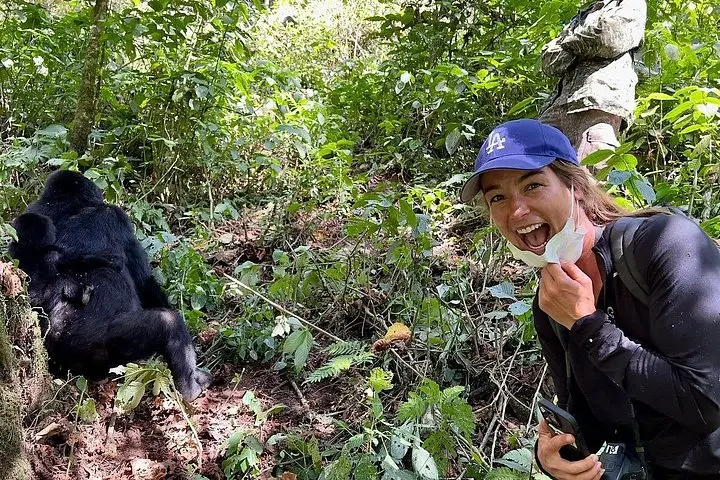
3-Day Uganda Gorilla Trek and Batwa Experience from Entebbe or Kampala
Private 3-day trip from Entebbe or Kampala to the Rushaga sector of Bwindi with the $800 permit, two nights and all meals.
- Cancellation
- Full refund 6+ days out
- Operator
- Eco Adventure Safaris
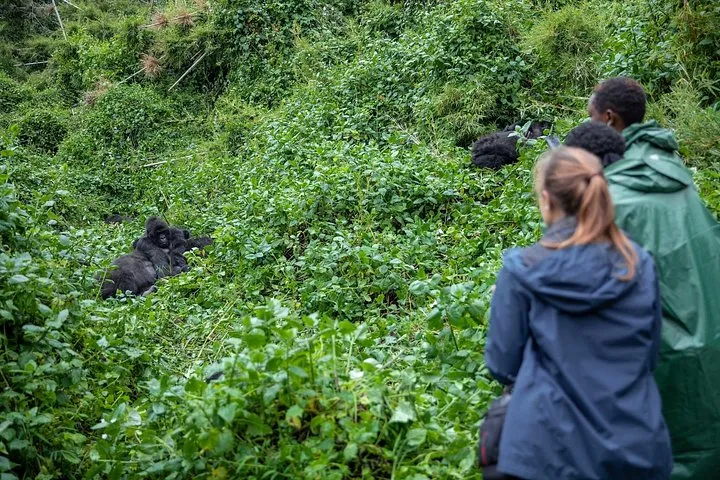
5-Day Gorilla and Chimpanzee Trekking in Uganda: Kibale, Bwindi and Lake Bunyonyi
Five days: chimpanzee tracking in Kibale, the gorilla trek in Bwindi and a canoe morning on Lake Bunyonyi. Both permits included.
- Cancellation
- Full refund 6+ days out
- Operator
- Adventure In The Wild Safaris
Is it still possible to trek in the rainy season?
Yes, treks run in every month, and the wet seasons of March to May and October to November bring lower costs, fewer travellers and easier permit bookings.
The green seasons should not scare you off. Gorilla treks are still possible from October to December with fewer travellers and lower trekking permit costs, and mountain gorilla permits in Uganda may be discounted in April and May.
Why the wet months can work in your favour
Low season means more choice. Lodging is easier to find at lower prices in the May period, and permits are simpler to secure at short notice because demand drops. Trekking groups can also be smaller, and some treks join as few as 2 or 3 other trekkers in the quiet months.
Rain is the price you pay. April and May are the wettest months, and heavy showers affect trail and road access in rainy periods. Temperatures hold steadily between 24°C and 30°C year-round, so you will rarely be cold, just wet.
Pack for it and the wet season is very doable. Bring a waterproof jacket, waterproof trousers, gaiters, sturdy grippy boots, a dry bag for camera gear and gloves for grabbing vegetation on steep sections. Start the day with dry clothes waiting back at the lodge.
| Season | Rain | Trekkers per group | Costs |
|---|---|---|---|
| March to May | Wettest, especially April and May | Can be as few as 2 or 3 others | Permits may be discounted in April and May, lodging cheaper |
| October to November | Short rains | Fewer travellers | Lower trekking permit costs from October to December |
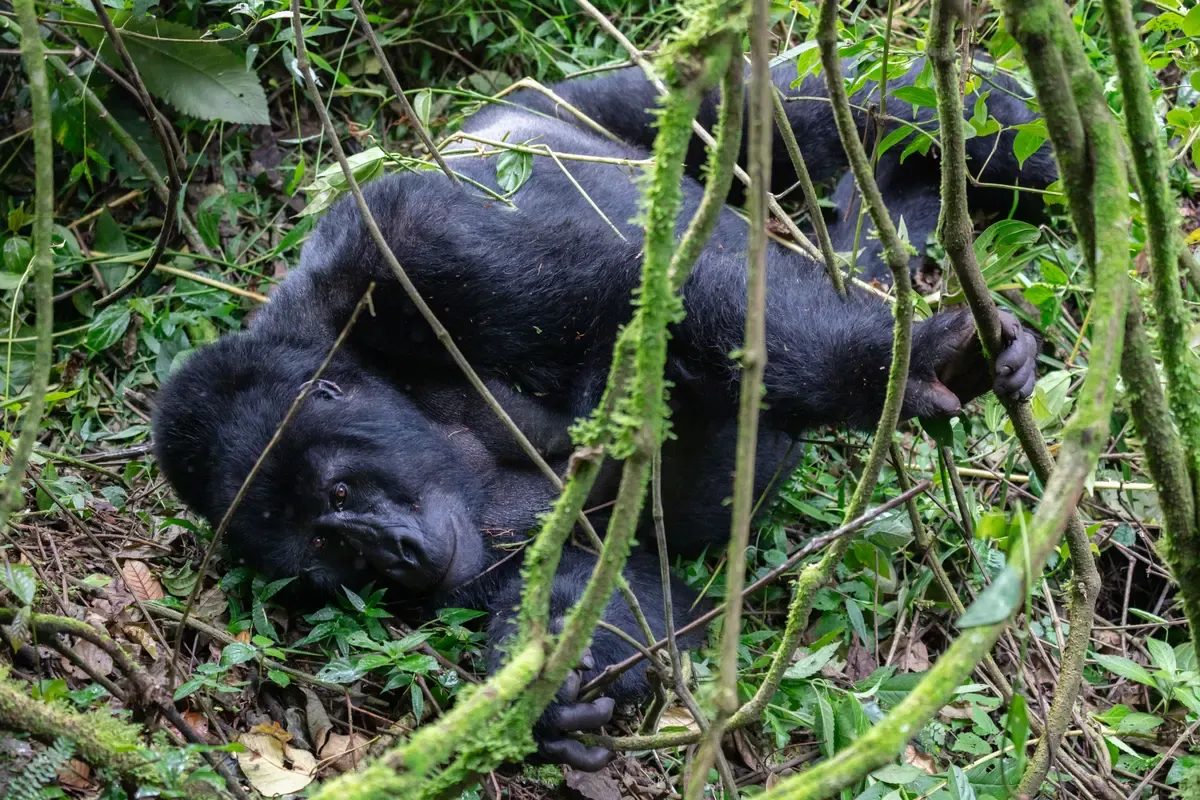
A mountain gorilla in dense Bwindi vegetation. Photo: Diego Delso, CC BY-SA 4.0, via Wikimedia Commons.
What is Uganda weather like by month?
Temperatures sit steadily between 24°C and 30°C year-round, and what changes through the year is rain, not heat.
Uganda straddles the equator, so there is no summer or winter to plan around. Two dry seasons and two wet seasons shape the trekking calendar instead.
Season patterns and what they mean on the trail
The two main dry seasons run June to October and December to February, with April and May the wettest months. The long rainy season lasts from March to May, and a shorter wet spell arrives around October and November.
For trekkers the practical difference is underfoot. Dry months mean firmer paths and shorter, easier climbs to the gorilla groups. Wet months mean mud, longer trek times and slower roads to the park gates, so build slack into your travel day.
| Months | Season | Trail impact |
|---|---|---|
| December to February | Dry season | Firm trails, easiest walking |
| March to May | Long rainy season | Muddy trails, slower roads, wettest in April and May |
| June to October | Dry season | Firm trails, peak trekking comfort |
| October to November | Short rains | Wet trails returning, still very trekable |
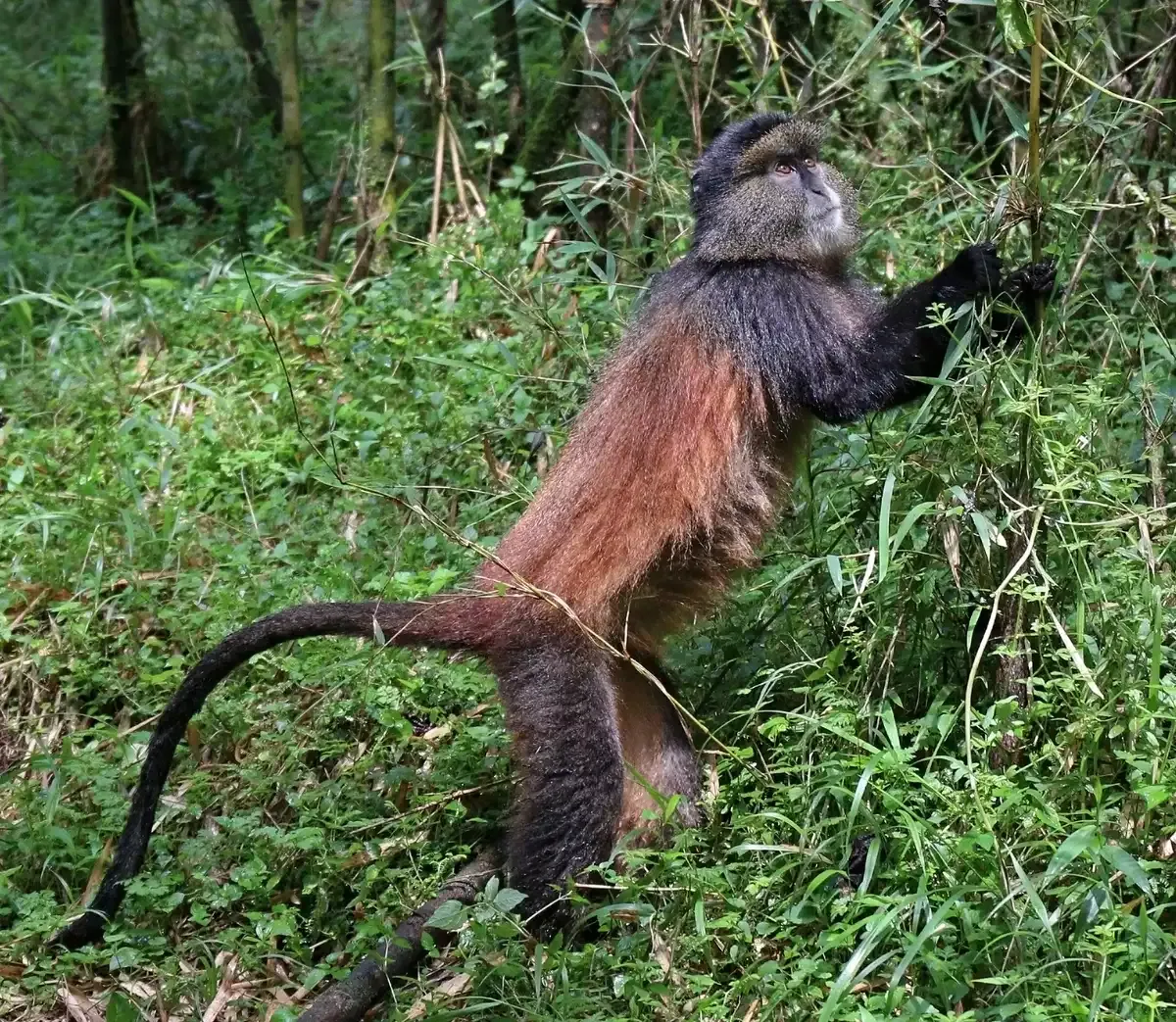
A golden monkey in Mgahinga. Photo: Charles J Sharp, CC BY-SA 4.0.
How do crowds and permit availability change by season?
Dry season months fill fastest because only eight visitors may visit one gorilla group per day, while wet season months leave permits open much closer to the trek date.
Permit numbers are fixed no matter the season. Bwindi has 25 habituated gorilla groups, and each group receives a maximum of eight visitors per day, so availability is about demand rather than supply.
What that means for your dates
In June to August, demand against a fixed supply means permits for popular sectors sell out well in advance. Book early to secure gorilla permits in the June to August window. December and the February window behave the same way on a smaller scale.
In the wet months the pressure lifts. Fewer travellers from October to December and lower permit costs in that period, plus possible discounts in April and May, mean you can often plan a green season trek with much less lead time. If your dates are fixed at short notice, the wet season is your friend.
Sources: Uganda Wildlife Authority, Uganda Wildlife Authority.
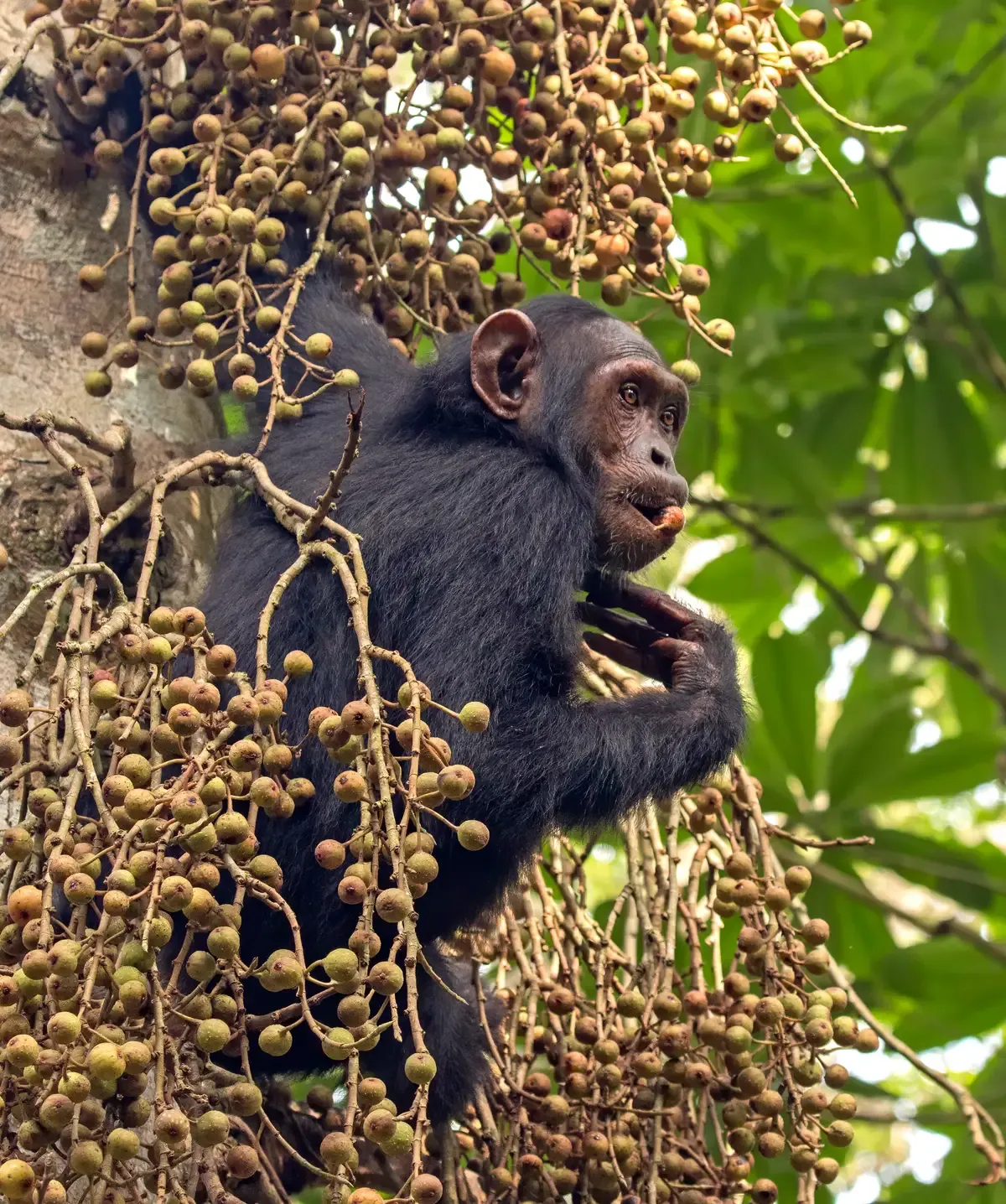
A chimpanzee feeding on figs in Kibale. Photo: Charles J. Sharp, CC BY-SA 4.0, via Wikimedia Commons.
How far ahead should you book for each season?
Book as early as you can for the June to August dry season, while wet season treks can usually be arranged on much shorter notice.
Lead time is the one thing you control. Match it to the season you want.
Booking lead time by season
For the peak months, secure your permit first and build the trip around it, since permits are the bottleneck. For the green months, you have flexibility, but booking a few months out still gets you the better lodges near the trailheads.
| Season | Lead time | Why |
|---|---|---|
| June to August | Book early, as far ahead as possible | Peak demand against a fixed eight-permits-per-group supply |
| December to February | Well in advance | Dry season demand |
| March to May | Shorter notice workable | Permits easier to book, may be discounted in April and May |
| October to November | Shorter notice workable | Fewer travellers and lower permit costs |
Source: Uganda Wildlife Authority.
Bwindi or Mgahinga, and does the season change the choice?
Bwindi offers far more gorilla groups and therefore more permit choice in peak months, while Mgahinga is smaller and adds volcano scenery to the trek.
Both parks sit in the same southwest corner of Uganda and share the same climate calendar, so your choice is about format more than season.
The two parks compared
Bwindi has 25 habituated gorilla groups, and the Mubare group was the first habituated for tourism in Uganda, in April 1993. That many groups means more departure options in the crowded dry months.
Mgahinga Gorilla National Park covers 33.7 km2, making it Uganda's smallest national park, with terrain between 2,227 m and 4,127 m. Its three extinct volcanoes are part of the Virunga range on the Uganda, Congo and Rwanda border. In the dry season the high slopes are at their most manageable, while wet weather makes the altitude and exposure bite harder, so Bwindi is the safer bet for wet season treks.
| Feature | Bwindi | Mgahinga |
|---|---|---|
| Gorilla groups | 25 habituated groups | not stated |
| Terrain | Dense forest slopes | 33.7 km2 between 2,227 m and 4,127 m |
| Best season fit | Any month, most permits in peak season | Dry months for the volcano slopes |
| Bonus | First group habituated in 1993 | Three Virunga volcanoes on three borders |
Sources: Uganda Wildlife Authority, Uganda Wildlife Authority.
When should you add chimpanzees and birds to the trip?
The March to May rains are the optimum time for tracking chimpanzees, and migrant bird species arrive from Eurasia between November and April.
If your trip is more than a gorilla trek, the green season has its own attractions that peak season cannot match.
Combining primates and birding
Chimp tracking is excellent in the long rains, so a wet season itinerary can actually outperform a dry season one for primates overall. Birders get a second bonus window, because migratory birds return by early to mid-November and stay until April.
A trip that pairs both works well in the March to May months. The 5-day gorilla and chimpanzee trek covers Kibale, Bwindi and Lake Bunyonyi, and the 8-day Uganda safari adds Queen Elizabeth National Park for a fuller circuit.
Rwanda or Uganda for gorilla trekking?
Uganda is the budget choice, because a gorilla tracking permit in Rwanda's Volcanoes National Park costs US$1,500 per person while Uganda's wet season permits can be discounted.
Both countries habituate mountain gorillas and both share the same best months, since the Virunga massif and Bwindi sit under one climate system.
How the two compare
Rwanda issues eight permits per gorilla group per day, 96 a day in total, with a minimum age of 15. Uganda mirrors the eight-visitors-per-group rule. The difference shows in price and in seasonality. Rwanda's permit price is flat at US$1,500, while Uganda's permits may be discounted in April and May and trekking costs drop from October to December.
If you want the driest trails at any price, both countries work in June to September. If budget shapes the trip, Uganda's green season is where the savings sit. Compare routes on our uganda gorilla trekking homepage, including treks that start from Kigali to combine both countries.
Sources: Visit Rwanda, Uganda Wildlife Authority.
Frequently Asked Questions
What is the best time to see gorillas in Uganda?
June to September and December to February, when trails are driest and conditions most comfortable, though treks run all year. See our 2-day Bwindi trek from Kigali for a dry season option.
How much does it cost to trek with gorillas in Uganda?
Tour prices start at $400 per person for a 1-day trek in Mgahinga from Kigali with the permit extra, and rise to $3,429 for an 8-day safari, with permit discounts possible in April and May.
Is it cheaper to see gorillas in Uganda or Rwanda?
Uganda, because Rwanda's Volcanoes National Park permit costs US$1,500 per person while Uganda offers possible permit discounts in April and May and lower costs from October to December, as covered in our 3-day budget Bwindi trek.
Is gorilla trekking worth the money?
Most travellers think so, since you get up to an hour with a habituated gorilla group in a group of no more than eight visitors, and our 3-day Uganda gorilla trek and Batwa experience holds a 5 rating from 73 reviews.
Can I trek gorillas in the rainy season?
Yes, treks run every month, and the wet months bring fewer travellers, lower permit costs and possible April and May discounts, so bring rain gear and book a 3-day trek with the Batwa Trail and Lake Bunyonyi.
How many people can visit a gorilla group per day?
A maximum of eight visitors may visit one gorilla group per day, and you should not visit the gorillas with a cold or other infectious illness.
What is the minimum age for gorilla trekking?
In Rwanda's Volcanoes National Park the minimum age is 15, and travellers 15 and over can join our 4-day double gorilla trek in Bwindi in Uganda.
More Guides
- What to Wear for Gorilla Trekking: Uganda Packing List
Treks run 2 to 7 hours, so wear quick-dry trousers, waterproof boots and tall socks. The full outfit for 2027, then compare tours.
- Bwindi Gorilla Trekking: Sectors, Groups and How a Trek Works
A Bwindi gorilla permit costs $800 in 2027 and buys a guided hike to one hour with a habituated family. Compare tours and check dates.
- Gorilla Trekking in Uganda from Kigali: Routes, Border and Timing
Kigali reaches Bwindi in 3 to 4 hours via the Cyanika border. One-day treks in 2027 start at $300 plus the $800 permit. Compare tours.